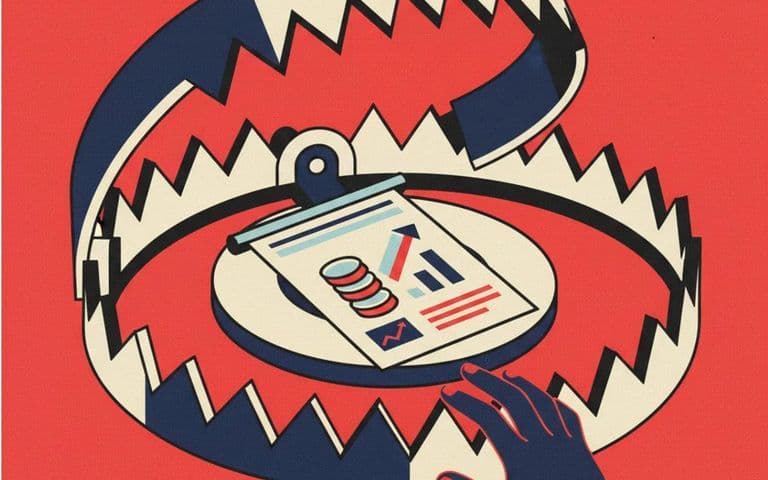
Online crime in Czechia represents a multi-billion-crown problem, and the latest data confirms its seriousness. According to statistics from the Czech Banking Association, fraudsters carried out a total of 23,869 attacks in the first quarter of 2026. They attempted to steal more than 4 billion crowns, while banks managed to protect 3.4 billion crowns on behalf of their clients (source).
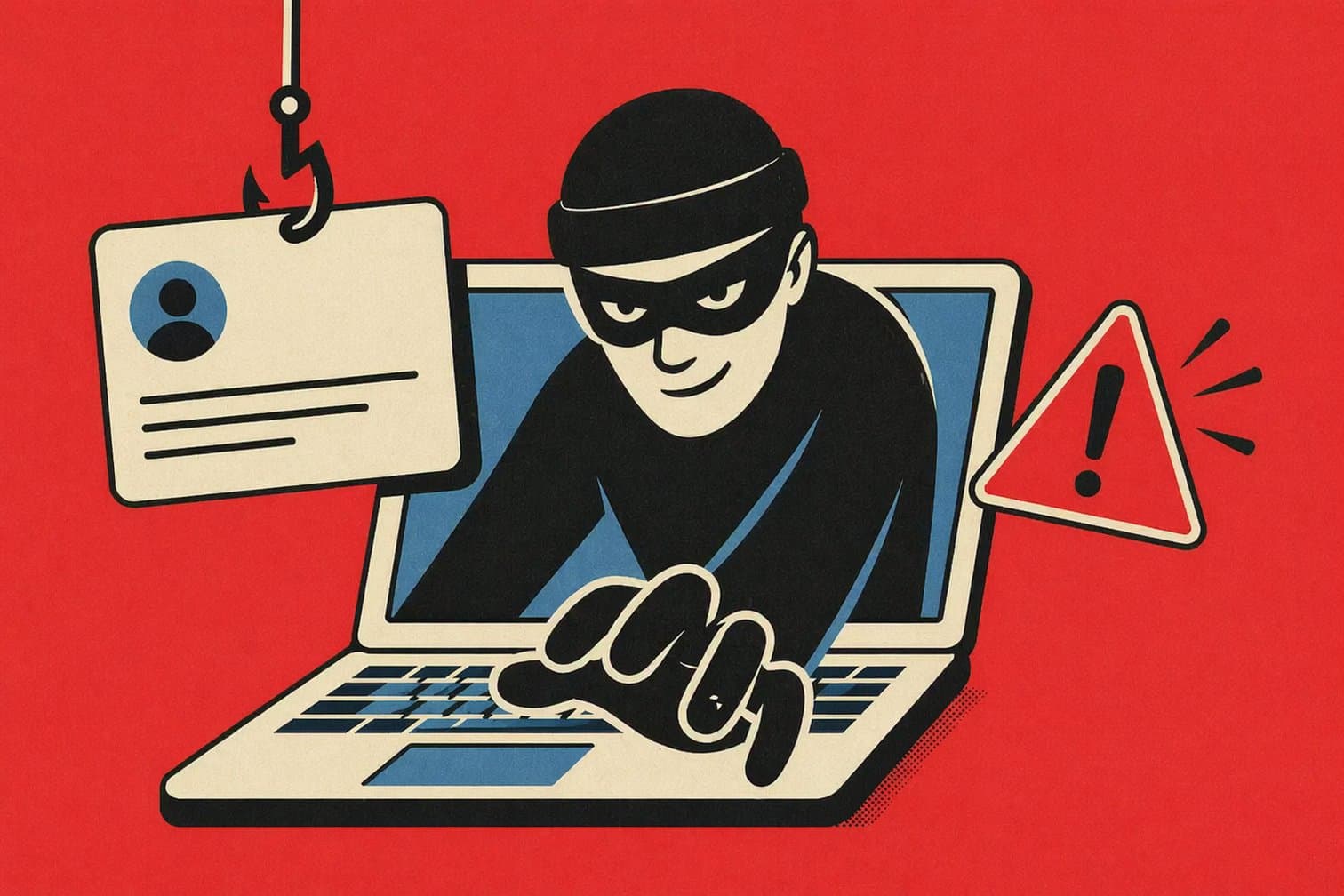
Fraudsters have long exploited people’s trust and vulnerability. In addition to ever-improving phishing and vishing techniques, there has been a notable increase in the sophistication of fake (doppelgänger) websites and deepfake videos promoting non-existent services or seemingly lucrative investment opportunities. One of the key factors enabling these activities is the vast and complex online advertising ecosystem, combined with the insufficiently proactive approach of particular online platforms.
Fraudulent Ads on Meta Platforms
Since 2025, the Online Risk Labs team has been systematically analysing fraudulent advertisements on Meta’s platforms. In the first quarter of 2026 alone, it identified approximately 22,000 ads in Czechia originating from accounts consistently running fraudulent advertising campaigns. The cumulative reach of these ads (measured as the sum of the reach of individual campaigns, without deduplication) amounted to 65 million during this period, with daily peaks of up to 1.8 million. The number of impressions was comparable or even higher. However, online fraud is not limited to Instagram and Facebook but also affects other large platforms such as YouTube, X, and TikTok.
Recurring Fraud Schemes
The Online Risk Labs research team warns of a growing number of high-quality deepfake videos that impersonate politicians and well-known public figures, convincingly imitate their voices, and promote supposedly lucrative investment opportunities, often targeting individuals with no prior investment experience. These advertisements frequently link to fake websites (doppelgängers) that closely imitate the appearance of Czech media outlets such as iDnes.cz, CNN Prima NEWS, iRozhlas, ČT24, or Aktuálně.cz. Such fraud can typically be identified by a suspicious URL that does not correspond to the legitimate news site.
To attract new victims, fraudsters also use websites that mimic the official websites of the Czech Government or well-known companies such as CEZ Group, PKN Orlen, or the Prague Stock Exchange. These sites typically present fabricated investment opportunities and often include fake reviews, along with forms designed to collect personal details from potential victims.
Deepfake scam campaigns frequently impersonate Czech Prime Minister Andrej Babiš, Czech President Petr Pavel, and other prominent politicians across the political spectrum. They also feature well-known actors, singers, influencers, and Czech business figures. Among those most frequently misused in online scams at present is Aleš Michl, Governor of the Czech National Bank.
Besides deepfake videos, advertisements mimicking sensational news headlines are also widespread. They attract attention through shocking or allegedly controversial content (such as an alleged conflict between two public figures) or supposed revelations about celebrities. These ads typically lead users to fake websites imitating well-known media outlets (e.g. Seznam Zprávy, iDnes.cz, CNN Prima NEWS), where fabricated interviews or articles promoting fraudulent investment platforms are published. Another common strategy used by fraudsters involves fake headlines misusing the names of recently deceased individuals.
The Online Risk Labs team also warns of fraudulent investment opportunities in shares, the energy sector, or oil extraction, as well as scams offering non-existent benefits or government subsidies to Czech citizens.
This warning also applies to fraudulent offers of assistance or legal services targeting individuals who have already been defrauded—those who were misled by fake brokers or fraudulent investment platforms. These campaigns often misuse the logos of the Czech Police, Interpol, or the European Central Bank.